Product & Business Leader
Products
that
have
to work.
Autonomous machines, energy, and infrastructure. I lead ASI’s Civil Construction business.
$150M
Pipeline built
22%
Portfolio margin gain
40
Person org led
30
Robots operating at once
About
I’m most useful when the real problem isn’t fully defined…

I dig in until I understand it, then lay out a plan. People don’t always agree with it right away, but the plan tends to hold up. When new facts turn up, I change it fast.
- Scope
- Product Line GM, Business Unit Leader, or senior product leader who owns a P&L
- Domains
- Physical AI, Autonomous Systems, Modern Energy, Datacenter Infrastructure
- Level
- Business Unit Leader with P&L ownership; leading teams and product lines since 2012
01
Choosing what to build
The biggest product calls come early, before the data is complete: what to build, for whom, and when.
Defined and priced the laser that won two flagship customers worth $100M
02
Making the margin work
Cost and pricing are design decisions, made with the features, not after them.
Merged 20 legacy designs into one platform: 28% better blended margin, 54% fewer components
03
Keeping teams in step
Plans tend to break between the roadmap and the field, when teams drift apart. I build the process that keeps them working from one plan.
Rebuilt ASI’s development process; every major robot program runs on it
Autonomous Systems · Datacenter Infrastructure
Autonomous Solutions
Business Unit Leader, Civil Construction
– Present
- Lead ASI’s dozer and compactor programs with a ~40-person team, and own the construction use-cases for its tractor, which another team builds for agriculture: 3 platforms, 4 machines, 9 field use-cases in all.
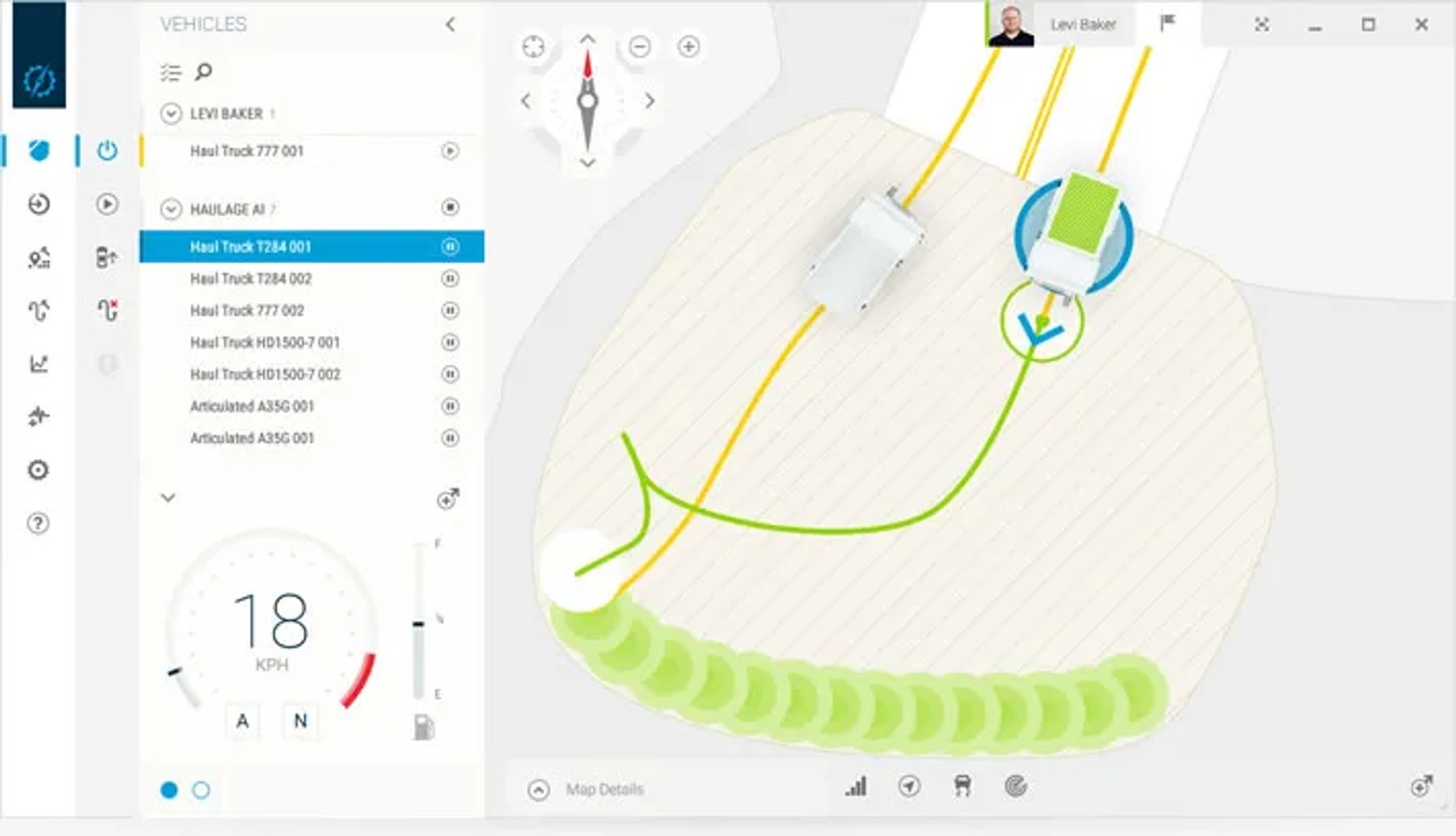
- Demonstrated 30 robots working at once for a strategic partner (29 autonomous, 1 tele-operated), every platform and use-case live.
- Turned demos into pilots: a global engineering and construction firm’s executives drove our machines in Utah from their own office, 1,000+ miles away, on Mobius, ASI’s fleet software. Two more pilots are launching: a planned 10-year site-remediation program, and a large water-retention project for a federal agency.
- Rebuilt how ASI develops products: a stage-gate process across all 13 functions, with gates where the money and customer commitments are. All 11 major robot programs run on it.
- Founded the Renewables business: interviewed 20+ customers and market players, then narrowed the field to the 15 most promising segments.
Case study
Rebuilding the Product Development process
13 functions · 11 robot programs
01 Inherited
The process was a list of high-level steps: what should happen, with no guidance on how, and no definition of done. Meanwhile every new program was already in flight, each finding its own way forward.
02 Decided
I’d led Stage-Gate rebuilds before, so I took this one on. The aim: more structure than we had, far less than an automotive OEM’s. Gates sit where the money and customer promises are; everything else stays lean.
03 Built
Templates and acceptance criteria for all 13 functions, from Product and Engineering to Supply Chain and Support, each paired with an AI prompt model so the process was faster to adopt than to work around. Rolled out in waves over four months, backed by an executive sponsor.
04 Measured
All 11 major robot programs now run on it; only a few small ones stayed on the old way. Every gate gives leadership and customers the same read on where a product stands, so schedule commitments rest on real milestones.
Context
From solar fields to datacenter pads
Pile Drivers · Drones · Dozers
Pile Driver
1Autonomous pile driving for solar fields: the vertical I led, temporarily paused.
Drone
2Survey and site data, continually imported into Mobius, ASI’s fleet management software.
Dozer
3ASI’s primary earthmoving platform, which I now lead alongside compactors and tractors.
Robots at work


Modern Energy · Distributed Energy Resources
Sunnova Energy
Group Product Line Manager, C&I + Microgrid
–
- Built the commercial offer behind a $150M pipeline in 2024: solar, storage, EV charging (including early V2G / V2H), and grid services, sold as one package.
- Rolled out remote monitoring and control 12+ months ahead of schedule, saving $5M+, by getting Product, Engineering, and Operations working from one plan.
- Raised proposal-to-contract conversion 45% year over year, across ~200 proposals: sharpened the offers, then trained sales on what customer interviews revealed.
Context
Commercial & Microgrid
Solar · Storage · EV charging · Microgrid
Rooftop Solar
1Office-roof solar offsetting daytime load, when grid power costs the most.
Commercial Energy Storage
2Batteries that shave demand-charge peaks and keep critical loads running through outages.
DC Fast Chargers
3Fleet and multifamily charging, managed off-peak so it never sets a new demand peak.
Complete Microgrid
4Solar, storage and load working as one, so the office park can island from the grid.
Context
Residential Energy‑as‑a‑ServiceEaaS
Energy Management System · EV Charging · V2H
Energy Management System
1The hardware and software that decide when the home makes, stores and uses its own power.
EV charging
2Home charging scheduled by the EMS for the cheapest hours, so the car is ready by morning.
V2H (Vehicle-to-Home)
3The car’s battery as the home’s backup, keeping essentials powered when the grid goes down.
Modern Energy · Grid-scale Storage
Fluence Energy
Senior Product Line Manager
–
- Raised portfolio margin 22% by mapping lifetime cost for each storage product and acting on it.
- Cut $3.9M a year from the flagship product’s parts cost, and got sites earning sooner: 30+ changes to design, sourcing, and commissioning.
 Fast Company 2021 Top 10 Innovation: Energy Fluence sold $1B of energy storage in 2021, helping grids avoid building new gas‑fired peaker plants.
Context
Inside the $3.9M
Three of 30+ cost changes
Container design
1A rack-bridging electrical part, redesigned to be made in-house at 79% lower cost.
Sourcing
2Cells are 60%+ of a battery’s cost; multi-year contracts lock in volume-based price drops.
Commissioning
3Swapped the AC unit: cheaper, and no more coolant leaks on site.
Photonics · 3D Sensing · VCSEL Lasers
Coherent
Product Line Manager
–
- Won two flagship customers worth $100M in projected 5-year revenue with a redesigned laser I defined and priced: the lens is integrated into the laser during fabrication, one inseparable piece, so it can’t come loose and point the raw beam at someone’s eyes. A safer part, with 19% higher margin than the one it replaced.
- Launched an automotive in-cabin sensing platform with 60%+ contribution margin and a 10-year roadmap, qualified to automotive standards.
- Improved portfolio margin 11% through a series of product moves, including planned retirements; every affected customer moved to a replacement part without losing supply.
Context
One VCSEL, multiple markets
3D time‑of‑flight sensing
The laser
1Tiny lasers on one chip, each firing invisible infrared light straight up.
Phones
2Face unlock: infrared pulses, timed as they bounce back, map the face in 3D.
Cars
3Measures the distance to anything nearby, so the driver is warned before backing into it.
Electrical Infrastructure · Enclosures · Seismic
Eaton
Director of Engineering
–
- Led a 40-person product development org: ran the career-ladder and succession cycles, made the hard calls (PIPs, RIFs), and developed my successor, who took over when I moved on.
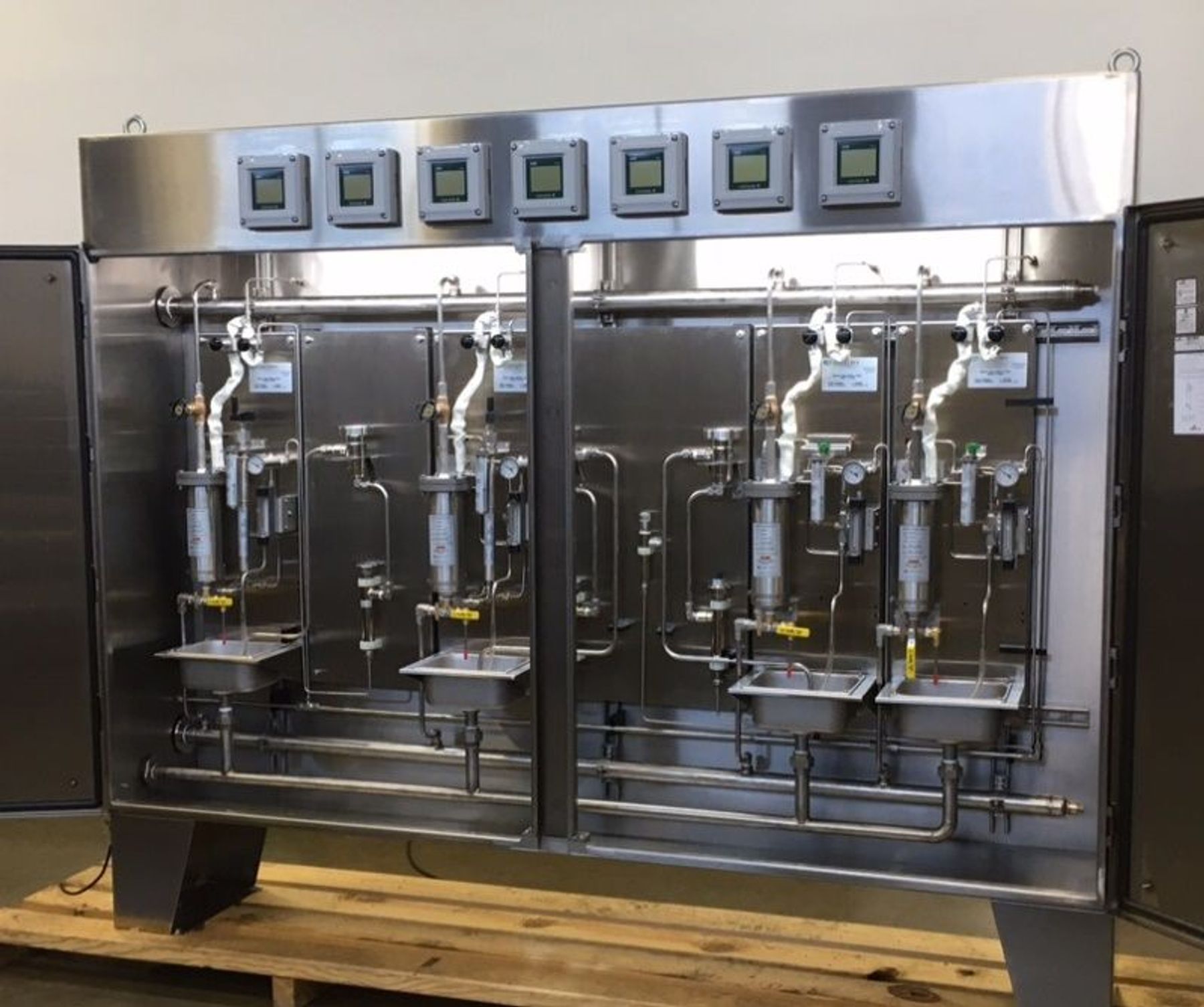
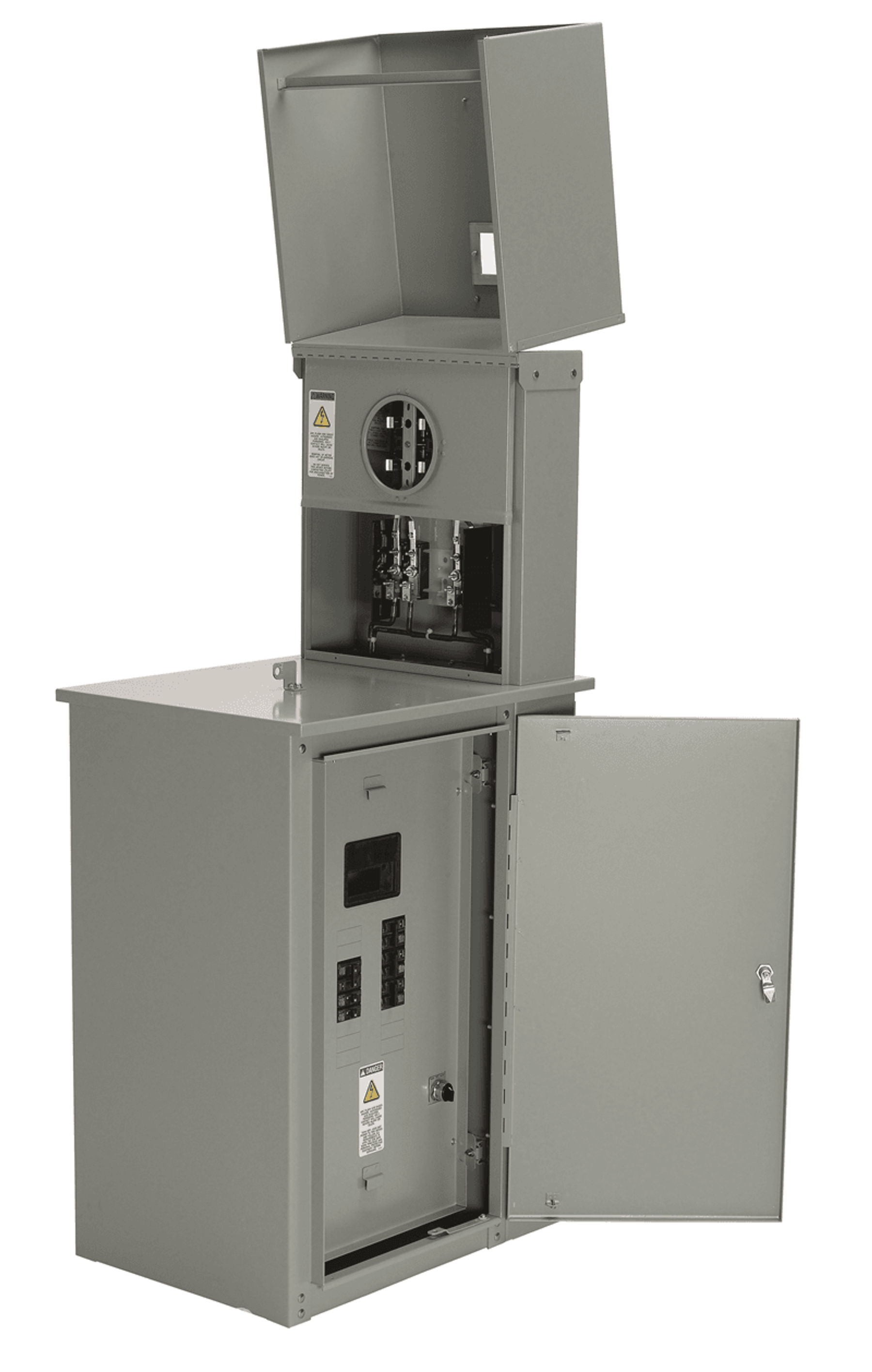
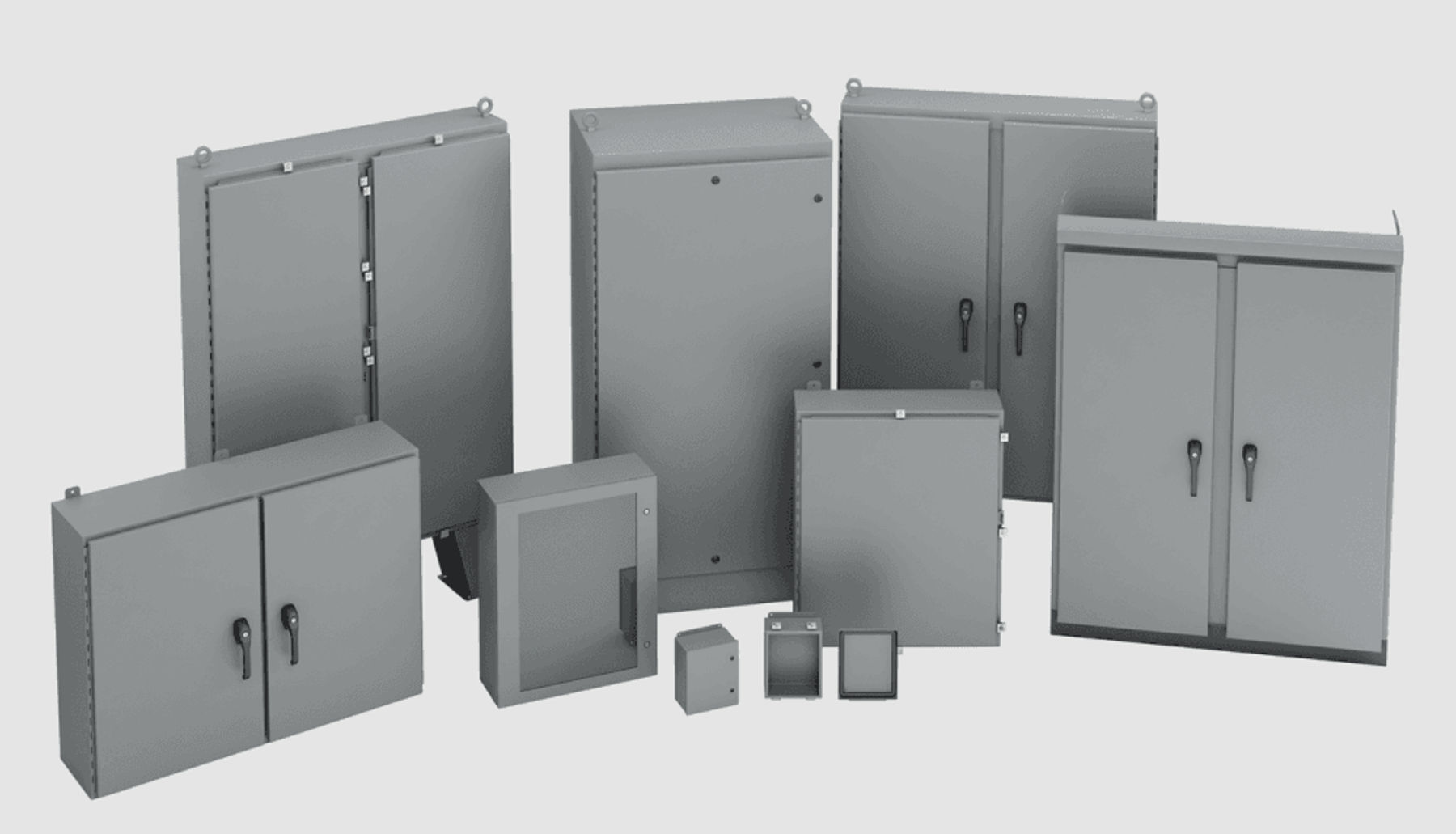
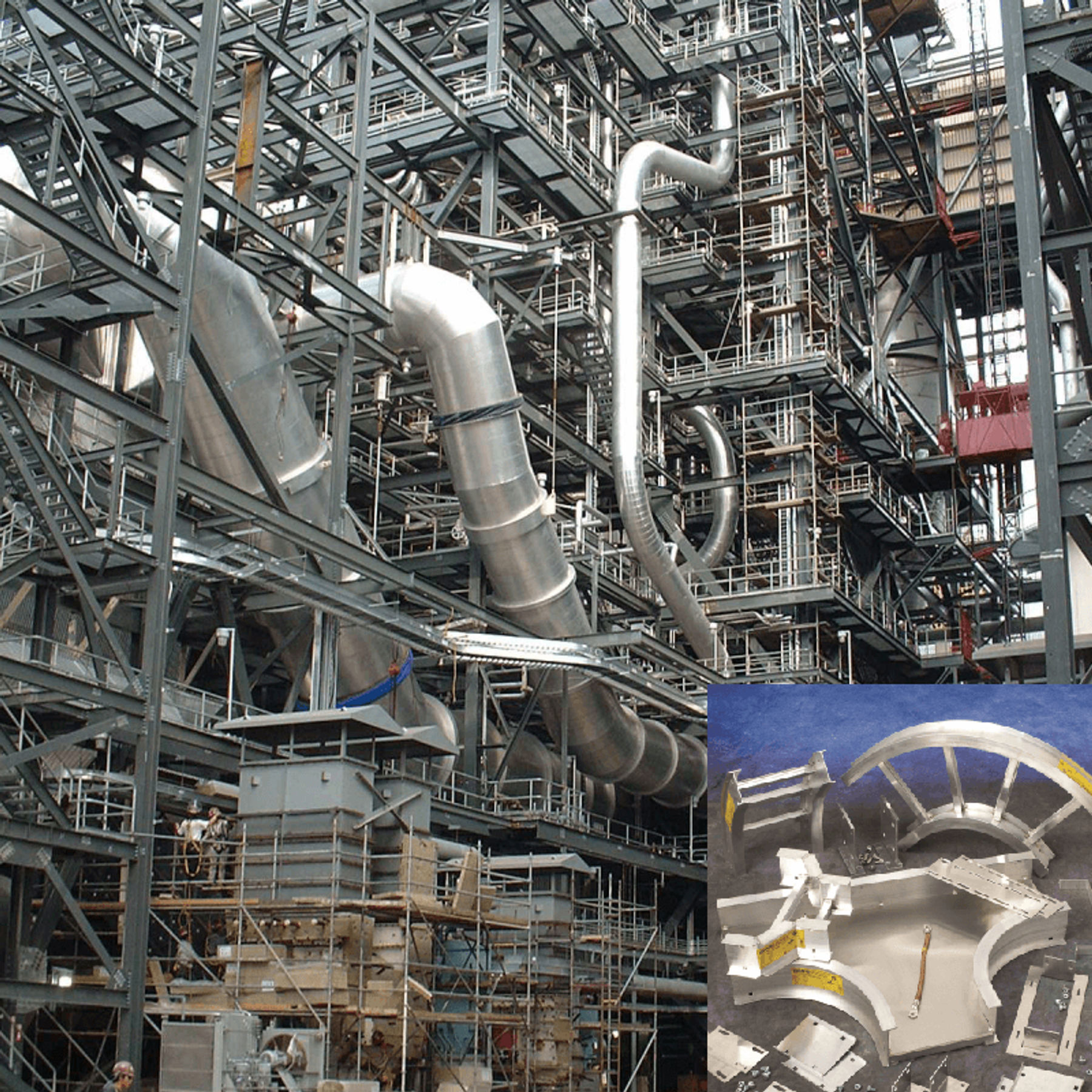
- Delivered $35M in new-product sales, up 29%, by aiming development spend at market demand and sustainability trends.
- Rebuilt engineer-to-order design and production: 55% shorter lead times, 36% sales growth in year one, and 28% higher first-pass yield from added quality checks.
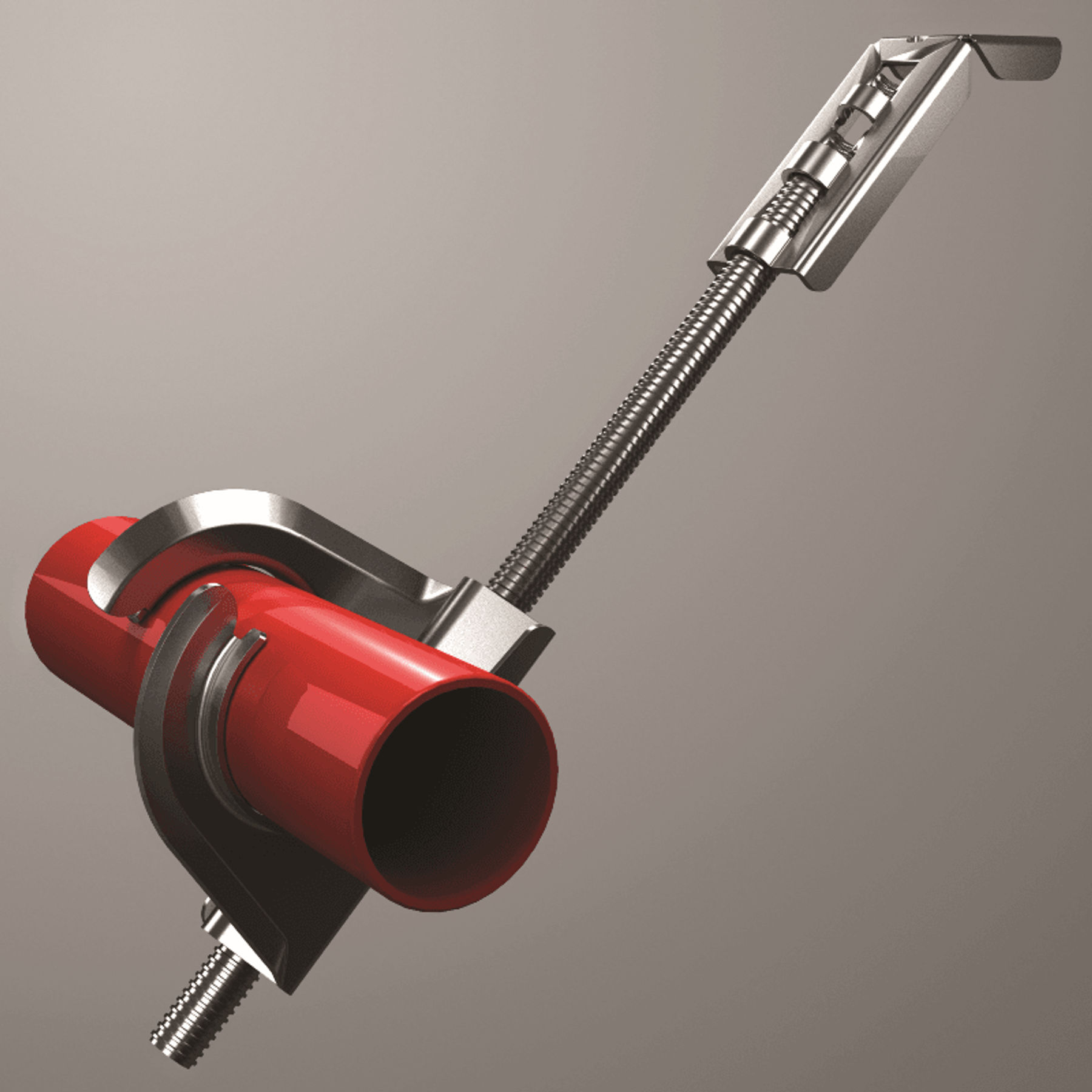
- Owned the division’s IP, including 4 patents of my own.
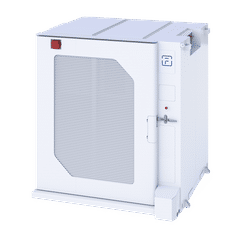
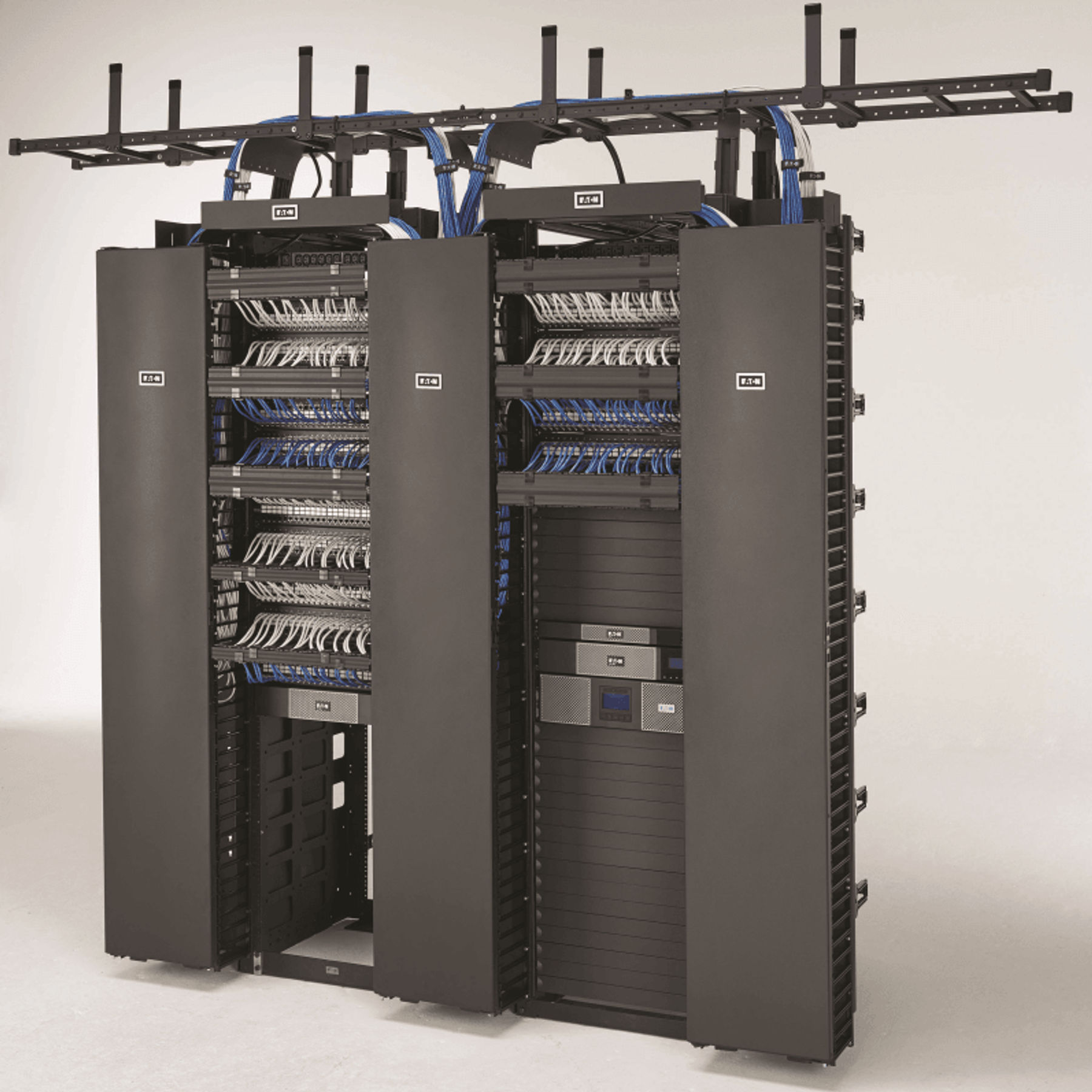
- Cut $4.0M in cost (~3% of COGS) across seven sites through value-engineering reviews; in an acquisition integration, other Eaton divisions adopted the approach for $2.4M more.
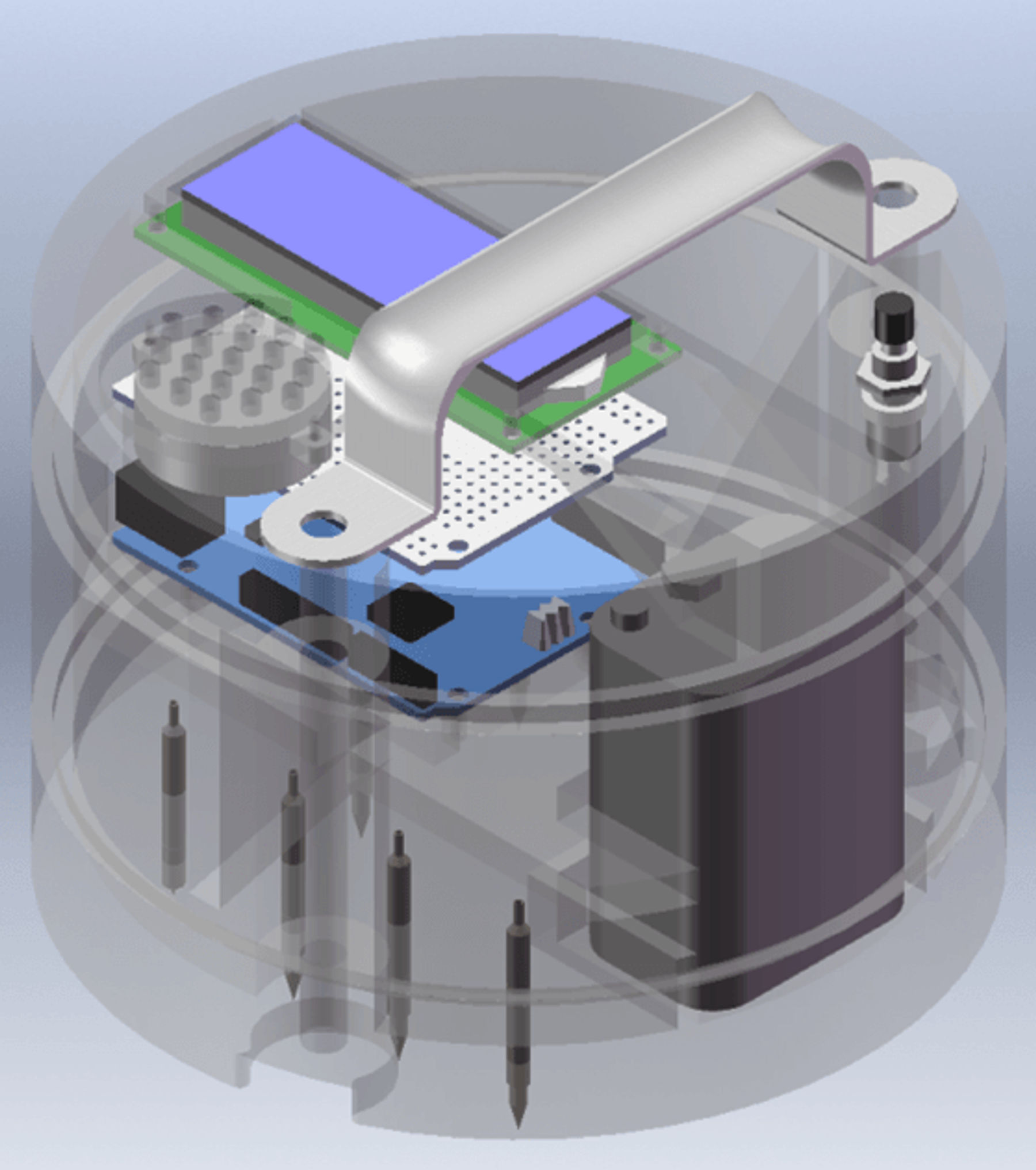
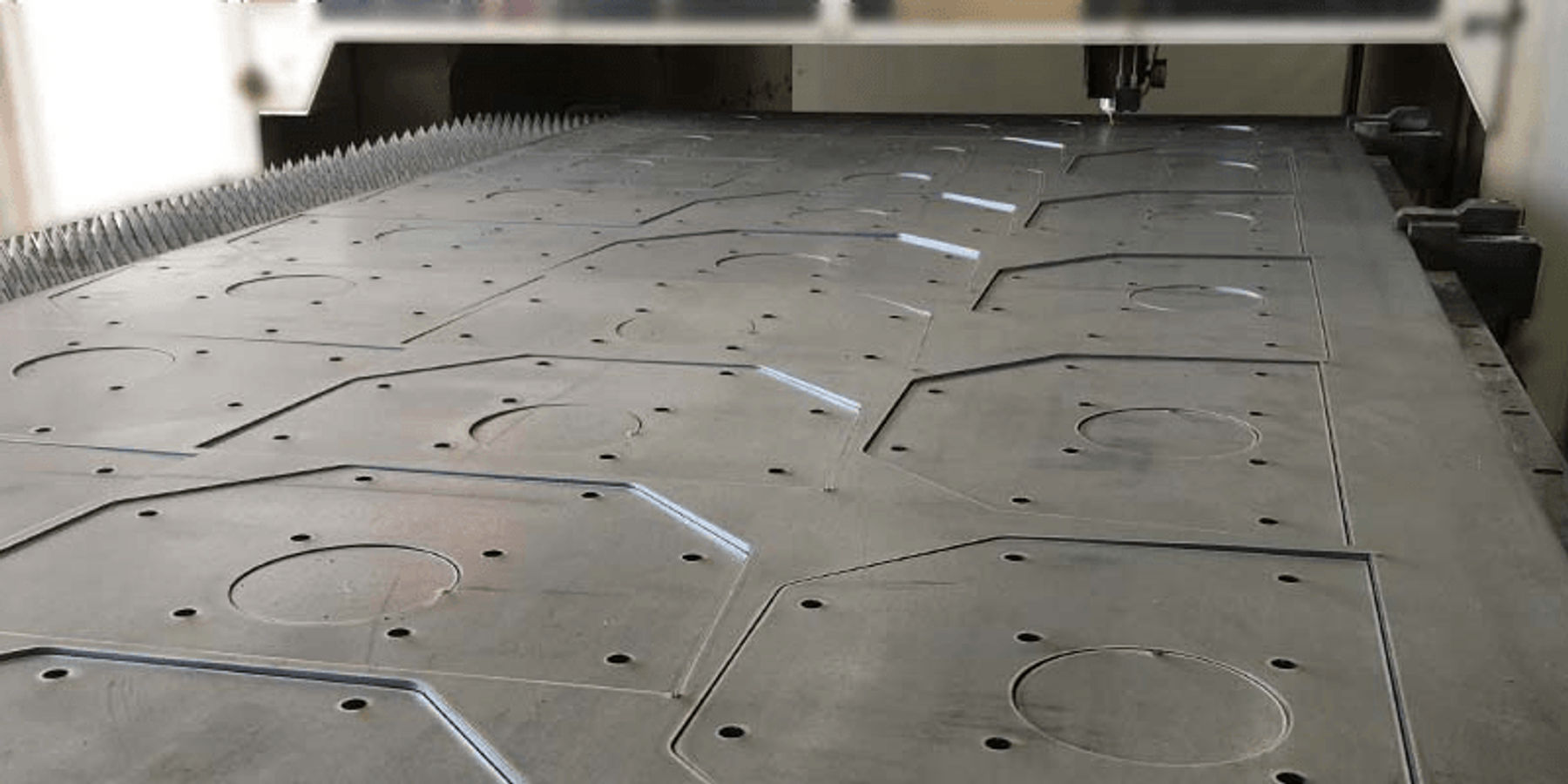
New products and redesigns
Industrial Automation · Oil & Gas
Emerson
Senior Design Engineer
–
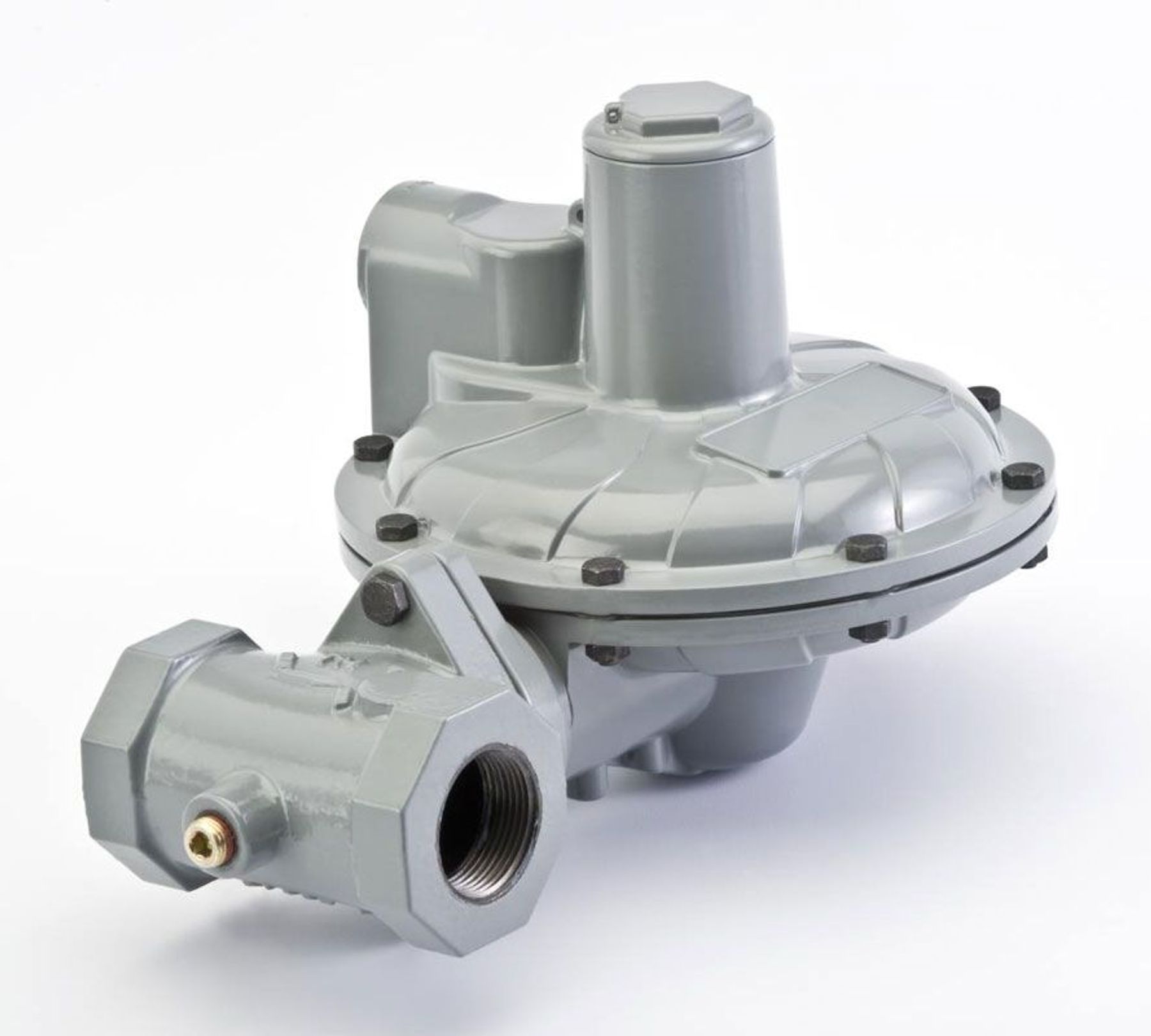
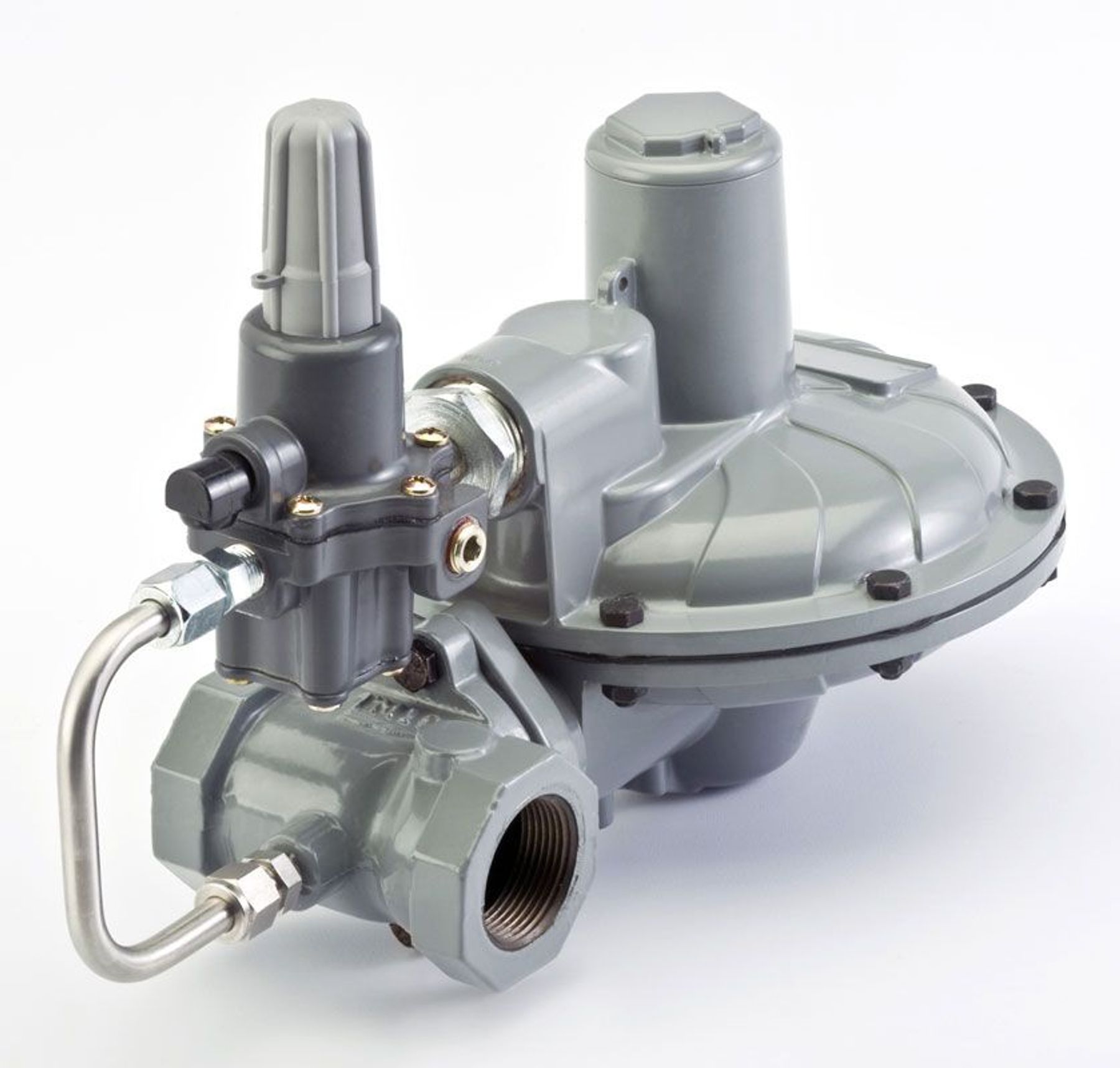
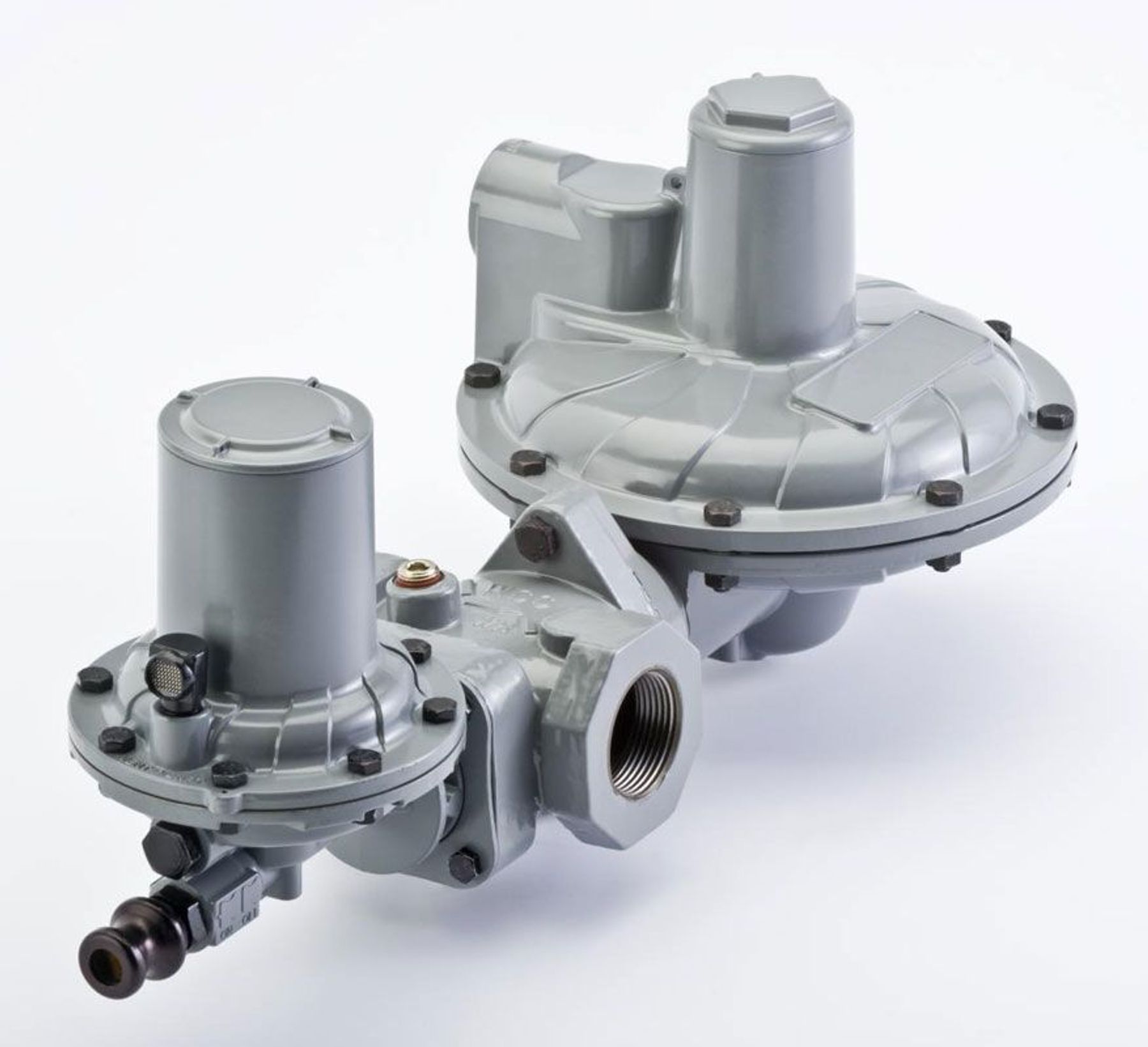
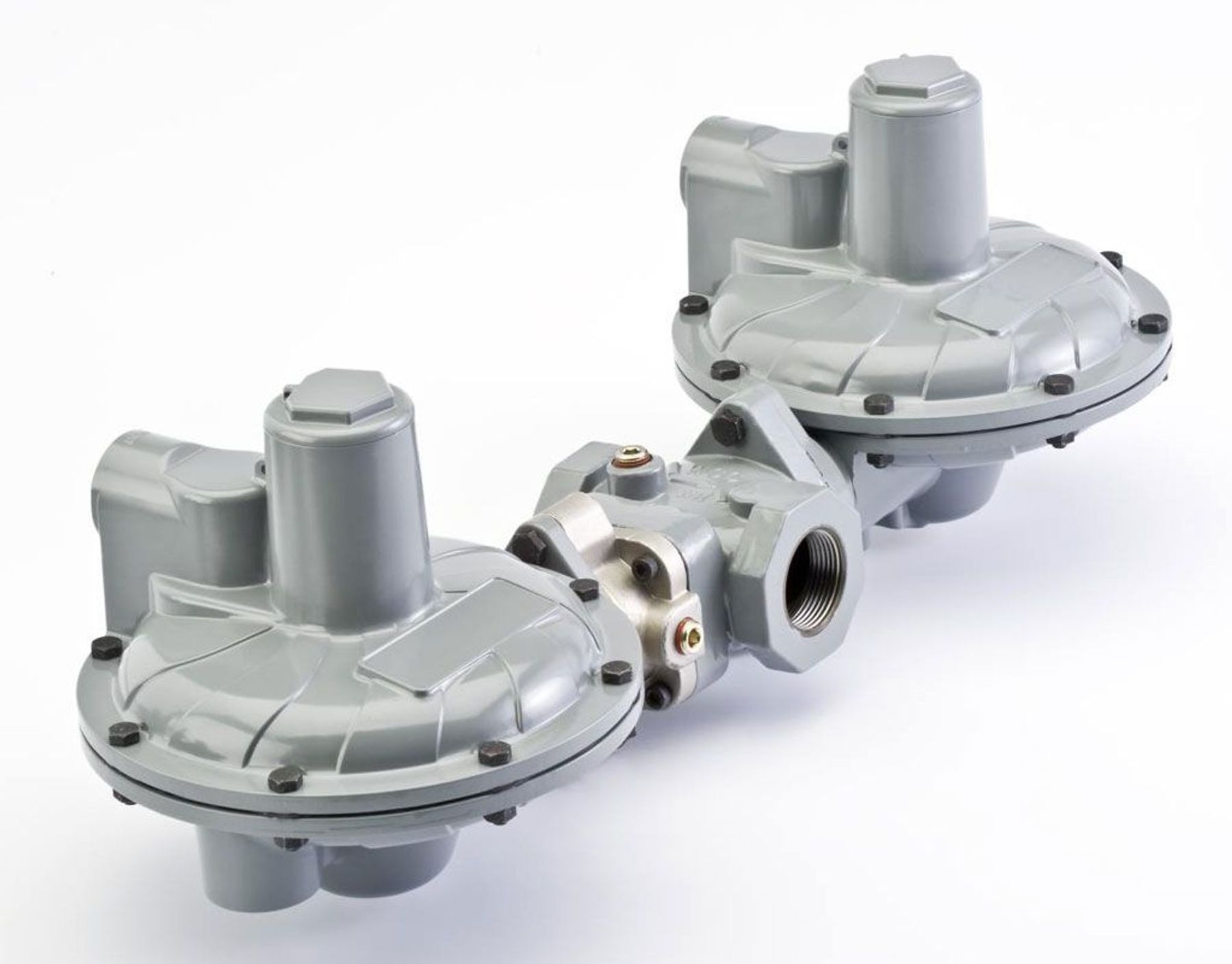
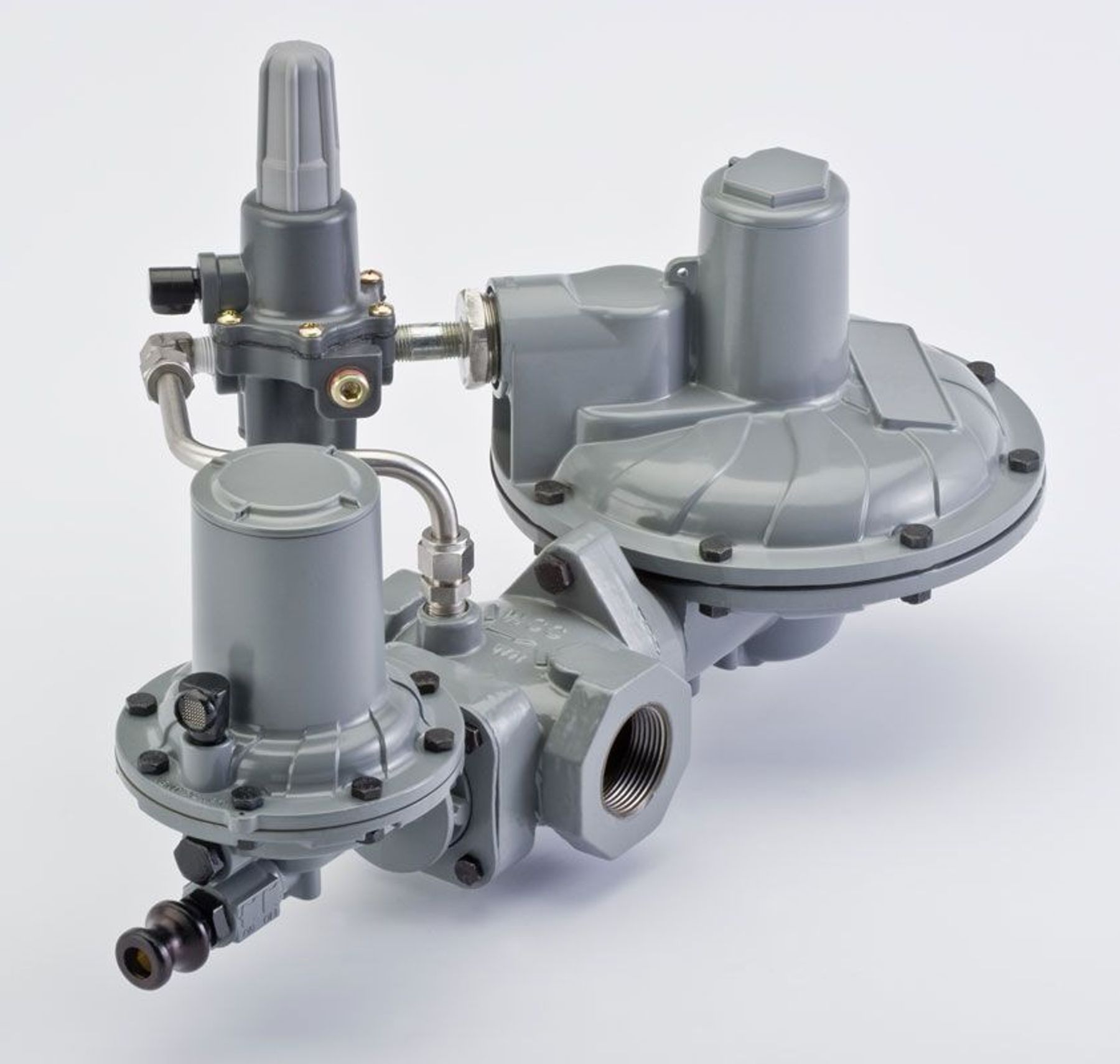
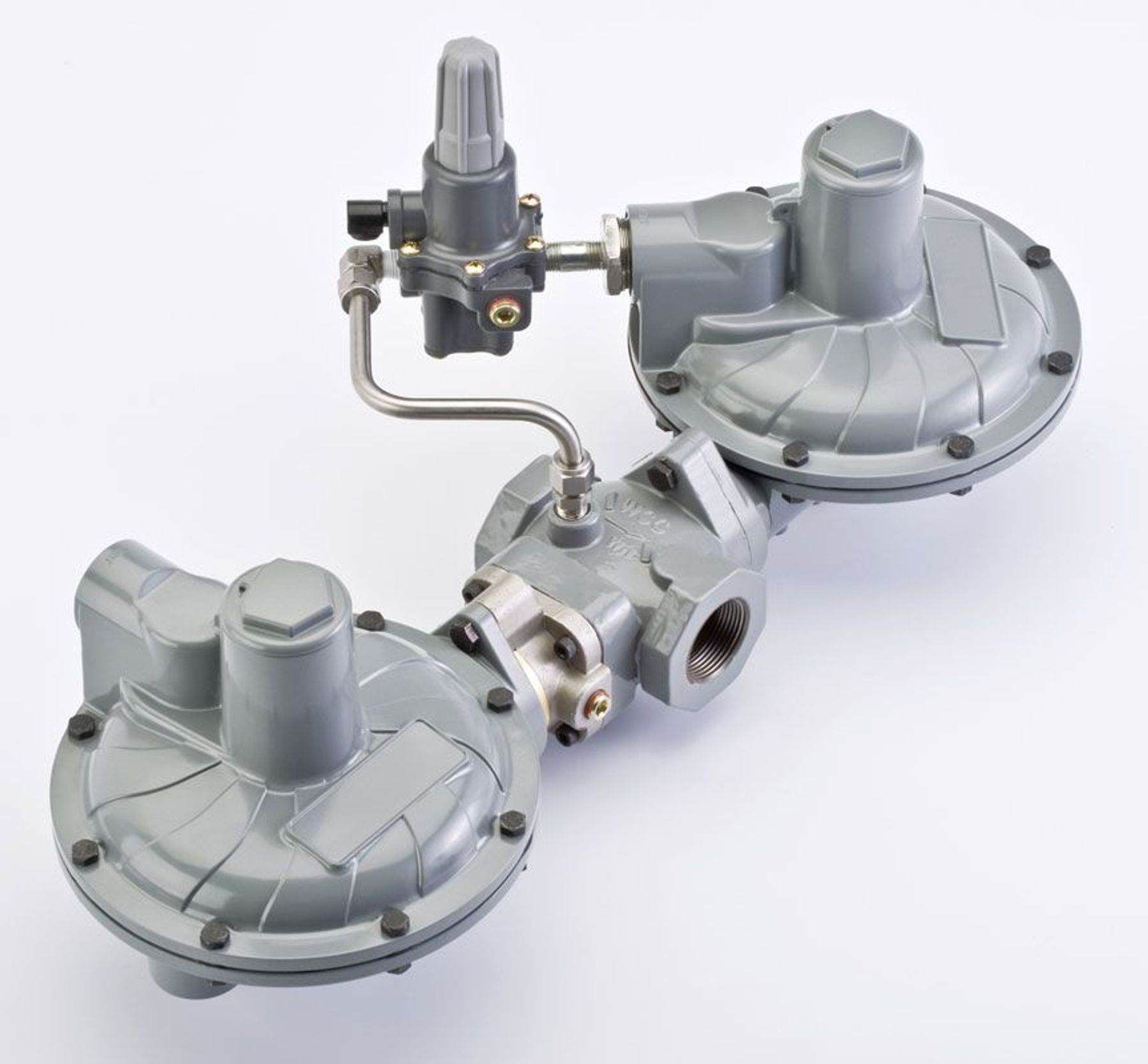
- Led a multi-year platform redesign that consolidated 20 legacy designs into 6 variants. The results: $21M in markets we couldn’t enter before, 63% fewer suppliers, 54% fewer components, and 28% better blended margin.
- Formalized the design and patent processes; 14 patents awarded from the platform work.
- Ran a 12-engineer design and test team in China, on site for extended stretches to keep design, testing, and the factory connected.
One platform, six variants
How I work
How I Work
I was taught to design to the spec. Then I watched products that met it still miss. So I don’t count a product as launched when it ships.
It only counts when it’s working for the people who bought it.
Patents
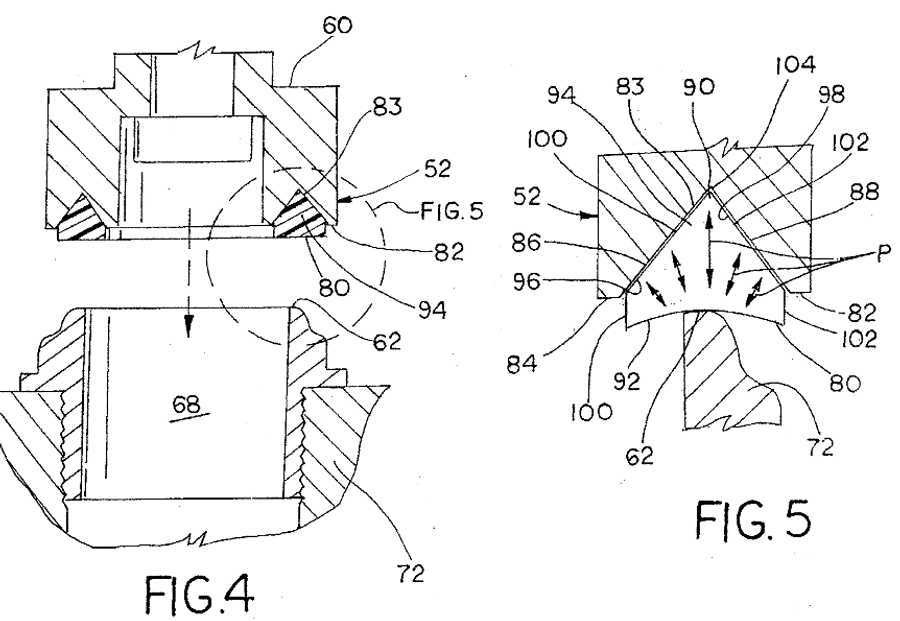
18 patents
Each one cut cost, made a platform easier to build on, or kept a competitor from copying the design.
Patent drawings




Learning
Continual learning
Building AI products
Physical AI is my day job. This is how I keep up with tools that change constantly.
Stanford University
Advanced AI Product Management
Starting with the market
My step from engineering leader to product leader: start with the market, then build the product to fit it, not the other way around.
University of Texas at Dallas
Innovation & Entrepreneurship, M.S. & MBA
Solving hard problems
Engineering taught me that most problems are solvable once you really understand them.
Southern Methodist University
Mechanical Engineering, B.S.
Contact
Let’s Connect
I’m heads-down building ASI’s Civil Construction business: autonomous machines that grade, compact, and prepare land, from new datacenters to public works. Taking a product from nothing to its first paying customers is the kind of problem I find hard to walk away from.
I’m always glad to talk with people building something hard, especially where there’s a product line or business to own.